
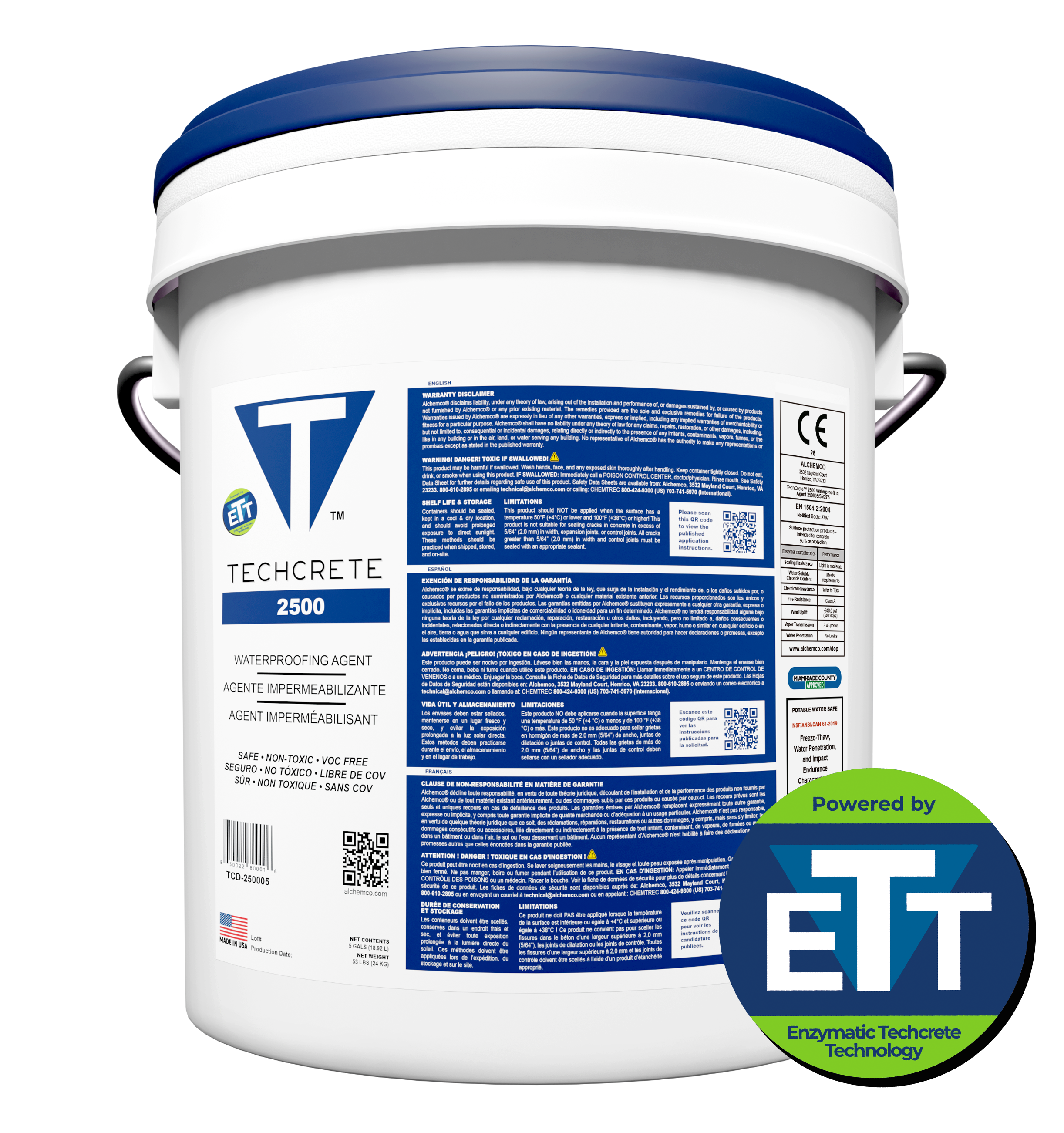
TechCrete 2500
TECHCRETE™ by Alchemco® is an award-winning Enzyme Modified Subsurface Waterproofing, designed to provide unparalleled waterproofing solutions for all types
of concrete structures. TECHCRETE offers durable, high-performance protection against water damage, extending any concrete structure to its designed life cycle. Our experts ensure each application meets the highest standards of precision and reliability. Alchemco delivers comprehensive, customized solutions to meet the unique needs of every client, ensuring peace of mind and long-lasting structural integrity.
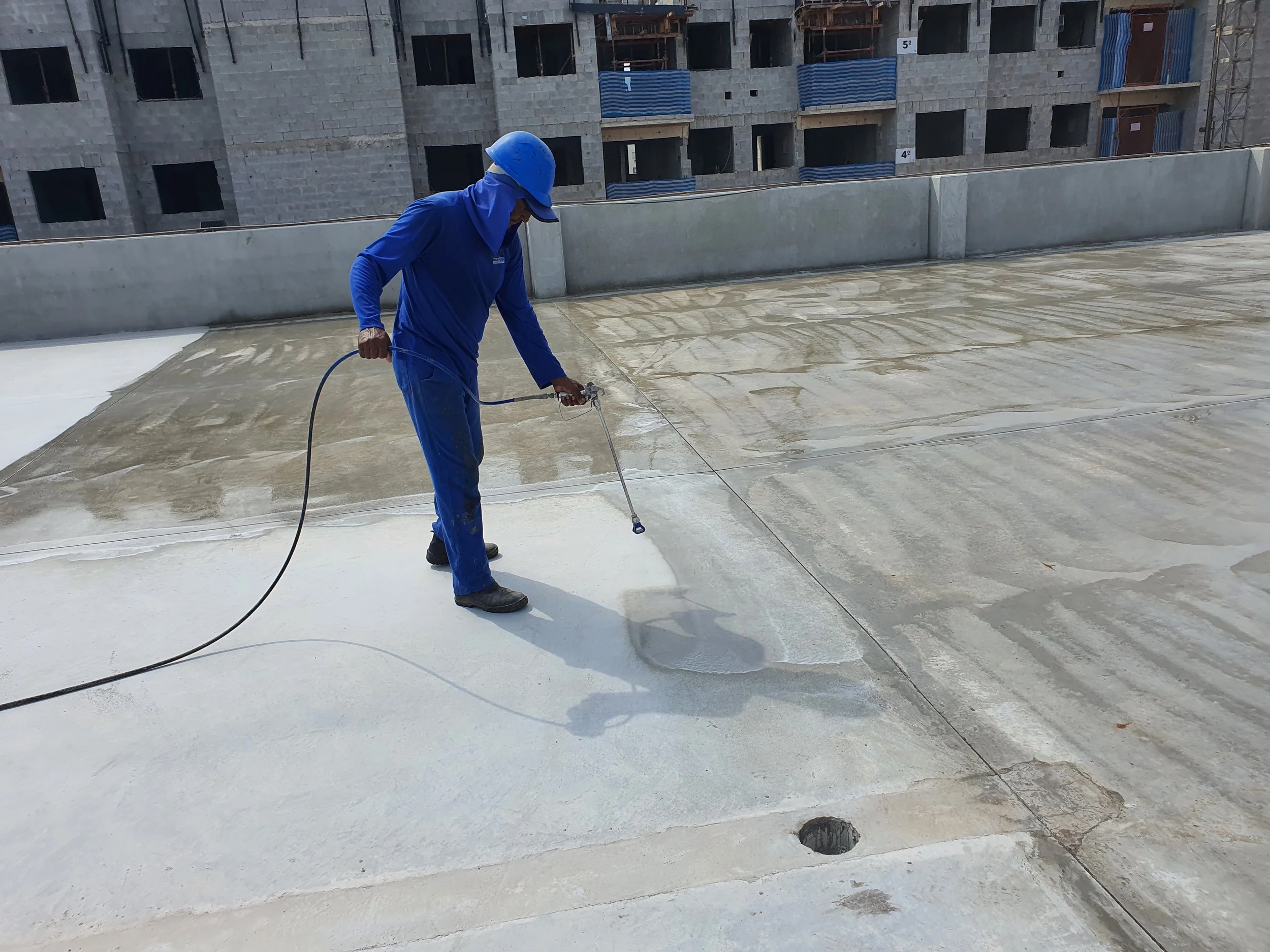
Key Benefits
Trafficable once dry
Seals existing cracks up to 2.0 mm
Seals future cracks up to 1.5 mm
Non-hazardous and NSF / ANSI 61 Certified
Does not change aesthetic appearance
Long-term performance without reapplication
No Maintenance Required for Most Applications
Product Properties
Colorless, clear to slightly opaque, odorless, soapy feel
Non-toxic & Biodegradable
Percent non volatile solids 26.55%
Specific gravity at 77 °F (25 °C) : 1.21
Flash point - no true flash - boils at 214 °F (101 °C)
Auto-ignition temperature - N/A Non-explosive
pH 11.51
Warranties
20-year EMERALD Warranty (New or Existing Construction):
Full System Labor & Material WarrantySpray 2500 Waterproofing Agent after concrete cures (28 days later) … along with all other necessary TechCrete products Material
30-year PLATINUM Warranty (New Construction Only & Must Include TC Admix):
Must include the use of both the Concrete Admix (at time of pour) … AND 2500 Waterproofing Agent after concrete cures (28 days later) … along with all other necessary TechCrete products
Dollar Limit, and No Dollar Limit warranties available as well
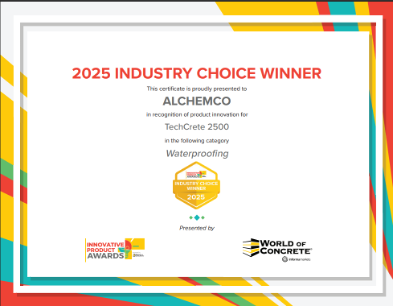
Awards

Application Rates
Coverage rate:
900 - 1,000 ft²/ 5 gallon pail
84 - 93 m² / 19 liter pail
9,900 - 11,000 ft² / 55 gal drum
920 - 1,022 m² / 208 liter drum
Performance Characteristics
Non Volatile Content (26.55%-27.7%) — ASTM D1644
Density - Specific Gravity 1.21 — ASTM D1475
Scaling Resistance - Light to Moderate — ASTM C672
Water Penetration - Passed — TAS 112
Chloride Ion Penetration - Passed — AASHTO T 259
Drinking Water System Components — NSF/ANSI 61
Flash Point - >140 °F — ASTM D93
Fire Resistance Class A: 0ft — ASTM E108
Wind Uplift - -858.0 psf (-40.0kPa) — TAS 114
Viscosity - Sp Gr. 20 centipoise — ASTM D2196
Chloride Content of Control sample 0.022% / Treated 0.021% — ASTM C1218
Vapor Permeance 3.46 perms — ASTM E96
Chemical Resistance — ASTM D1308-20
TechCrete 2500™
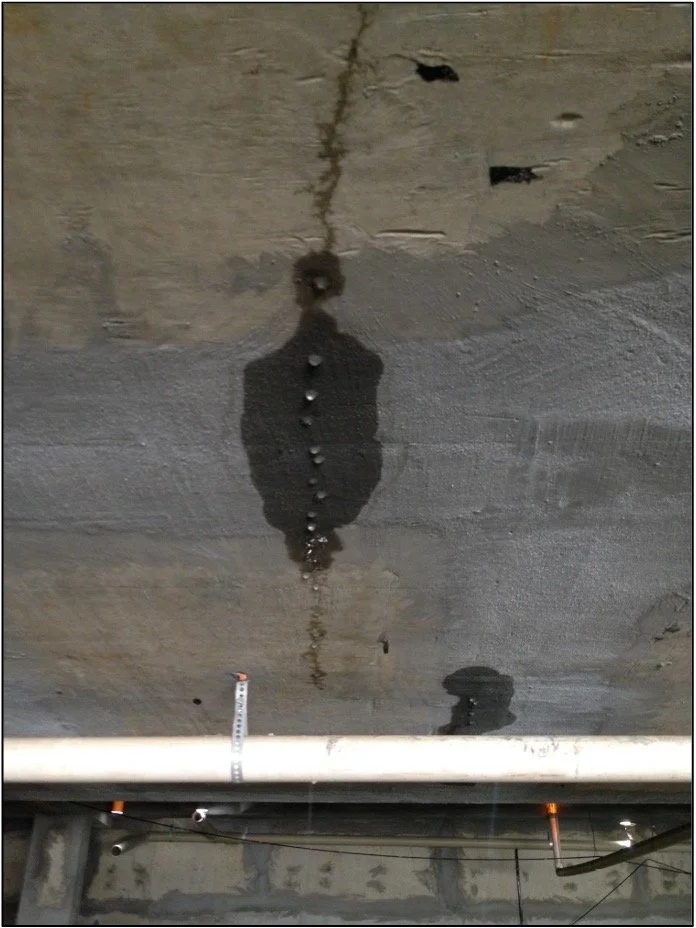
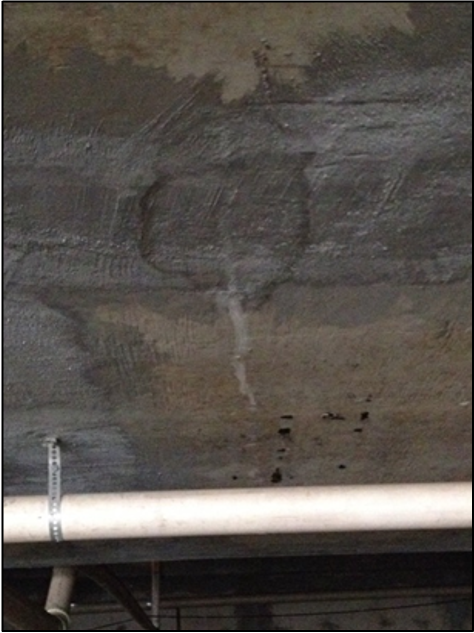
Before
After
TechCrete in Action
Crack-sealing times may vary depending on the width, depth, movement, and moisture conditions of the crack. While many leaking cracks become watertight within 3 to 5 days, some cracks may require up to 4 weeks to achieve complete waterproofing.
The waterproofing reaction remains active for the life of the concrete. Each time water enters the concrete matrix, the waterproofing gel reactivates and expands within the pore and capillary structure.
This ongoing reaction enables the technology to seal newly formed cracks and microcracks over time, providing continuous protection against water intrusion and extending the service life of the structure.
The gel forms a waterproof layer about ¾” thick, between the surface and the steel reinforcement
ETT 101 – How it works

Hydrostatic pressure resistance
Because the system is embedded within the concrete rather than applied as a surface membrane, it is not susceptible to delamination, blistering, or displacement under water pressure. This allows ETT to perform under both positive and negative hydrostatic conditions.
Independent testing has demonstrated resistance to hydrostatic pressure up to 569 psi under controlled conditions.
Vapor permeability
ETT reduces the passage of water through concrete while maintaining vapor permeability, allowing the structure to breathe.
Because ETT lines the pore structure rather than blocking it, water vapor can still migrate through the concrete. This helps prevent the buildup of trapped moisture within the substrate, which can contribute to blistering, delamination, or deterioration in surface-applied systems.
Testing in accordance with ASTM E96 has demonstrated a vapor permeance of approximately 3.46 perms, indicating that ETT-treated concrete remains vapor permeable while restricting liquid water ingress.
Freeze-thaw durability
By limiting the amount of water present within the concrete, ETT reduces internal stresses caused by freezing and expansion. This helps minimize scaling, cracking, and surface deterioration associated with repeated freeze-thaw exposure.
Because ETT remains vapor permeable, moisture vapor can escape from the concrete further reducing the potential for freeze-thaw damage over time.
This makes ETT suitable for environments exposed to seasonal temperature fluctuations and repeated freeze-thaw cycling.
Self-Healing / Reactivation
ETT remains active within the concrete and can reactivate in the presence of moisture. This allows it to respond to future microcracking by continuing to line newly formed pathways within the pore structure.
As new microcracks develop, ETT can migrate into these areas and reduce the passage of water.
This ongoing reactivity provides long-term protection beyond the initial application and supports the durability of the treated structure over time.
Abrasion / Traffic Resistance
Because ETT is embedded within the concrete rather than applied to the surface, it is not subject to wear, abrasion, or surface degradation in the same manner as coatings or membranes.
As a subsurface treatment, ETT remains protected within the concrete matrix and continues to perform even under foot traffic and typical service conditions.
Surface Hardness
ETT has shown to increase the surface hardness of treated concrete from 6 to 8 on the Moh’s hardness scale. This increase contributes to enhanced resistance to wear, abrasion, and surface degradation over time.
What is it? / Product Description
Enzymatic TechCrete Technology (ETT) is a subsurface concrete waterproofing system designed to penetrate into the pores, cracks and capillaries of the concrete and form an internal membrane against water intrusion. Unlike surface-applied membranes or coatings, ETT does not create a film on the surface. Instead, it becomes integrated within the concrete, where it works to protect against water ingress.
ETT relies on the natural absorptive properties of concrete to migrate into pores and microcracks. Once inside the substrate, it provides distributed protection throughout the treated area without altering surface appearance, texture, or slip resistance.
Enzymes + Water + Calcium
ETT migrates through the capillary structure of the concrete. As it penetrates, the enzymes react with free calcium within the concrete matrix to form a flexible, hydrophobic gel that fills in pores and microcracks.
This reaction reduces the ability of water to pass through the concrete while maintaining vapor permeability, allowing the structure to breathe. The reaction is not a one-time event - it remains within the concrete and reactivates in the presence of moisture, providing ongoing protection and the ability to address new microcracking over time.
Penetration depth
ETT penetrates into concrete through its capillary pore structure, distributing within the concrete matrix rather than forming a surface film.
In properly prepared, absorptive concrete, penetration has been observed in the field to reach approximately 20 mm. (¾ of an inch)
Penetration depth will vary based on substrate conditions. Performance is governed by absorption and distribution within the concrete matrix.
Chemical Resistance
By limiting the movement of water into the concrete, ETT also reduces the transport of dissolved chemicals that can contribute to deterioration over time.
Testing in accordance with ASTM D1308 has demonstrated resistance to a variety of commonly encountered substances, including:
Hydrochloric Acid (31%)
Sulfuric Acid (15%)
Sodium Hydroxide (34%)
Ammonium Hydroxide
Gasoline
Greate
Motor Oil
Penetrating Oil
Carbon Tetrachloride
Varsol
Dyes (Orange and Blue)
Performance will vary depending on chemical concentration, exposure conditions, and duration.
Chloride Ion Resistance
By restricting the transport of chlorides within moisture, ETT helps reduce the potential for corrosion of the reinforcement and associated concrete deterioration.
Testing in accordance with AASHTO T 259 demonstrated reduced chloride ion penetration in treated concrete compared to untreated samples, supporting improved long-term durability in chloride-exposed environments.
Surface Appearance
ETT does not form a surface film and does not alter the appearance, texture,
or profile of the treated concrete.
Because the system is absorbed into the substrate, the original look of the concrete is maintained, including color, finish, and slip resistance (CAN2-75.1-M77).
Can I apply ETT to this structure?
Recommended Structures
ETT is recommended for absorptive concrete structures where water intrusion, durability, and long-term performance are primary concerns.
Water-Retaining Structures
Water-retaining structures are well-suited for the application of ETT. The presence of moisture supports the activation of the system and promotes the gel-forming reaction within the concrete pore structure, enhancing overall performance in these environments.
Examples such as:
Tanks
Pools
Ponds
Fountains
Wastewater treatment plants
Elevated & Horizontal Structures
Elevated and horizontal concrete structures are well suited for ETT due to their environmental exposure. ETT supports long-term durability and protects against deterioration caused by environmental factors.
Examples such as:
Parking decks
Elevated slabs
Podium decks
Rooftop slabs over occupied space
Walkways and pedestrian surfaces
Substrate Types/Types of slab/structure
Applicable substrate types include:
Cast-in-place concrete
Precast concrete
Shotcrete
Concrete masonry units (CMU)
Movement
Structures exhibiting active or ongoing movement should be carefully evaluated. While cracks can be treated as part of the system, ETT is not designed to accommodate excessive movement within the substrate.
Structural Considerations
The condition of the structure should be evaluated prior to application to confirm suitability.
Structures Not Recommended
ETT is not recommended for non-cementitious substrates or does not possess an absorptive pore structure capable of accepting the material, as the reaction relies on calcium within the concrete. Substrates lacking sufficient cementitious content will not support the intended performance of the system. (see Mix Design Considerations)
Below-Grade Structures
Below-grade structures are well suited for ETT due to their continuous exposure to moisture. The subsurface nature of ETT allows it to be effective from either side of the concrete.
Examples such as:
Foundations
Tunnels
Blindside applications
Basement walls
Retaining walls
Elevator pits
Underground parking structures
Infrastructure & Transportation
Infrastructure and transportation structures benefit greatly from ETT where durability and protection of the reinforcement is crucial. ETT will help extend the service life and works to combat corrosion resulting from water and chloride ingress, including those introduced by de-icing salts.
Examples such as:
Bridges
Bridge decks
DOT structures
Marine infrastructure
Cracking Patterns
Cracking should be evaluated to determine the type, extent, and distribution within the structure. Widespread or irregular cracking patterns may indicate underlying structural conditions and should be reviewed by the appropriate design professional to confirm suitability prior to application.
Reinforcement Conditions
The condition of the reinforcement should be considered when evaluating overall suitability. Evidence of corrosion, spalling, or rust staining may indicate deterioration within the concrete.
ETT will work to prevent further damage but cannot undo what has already been done.
Application Overview: 3-Step Process
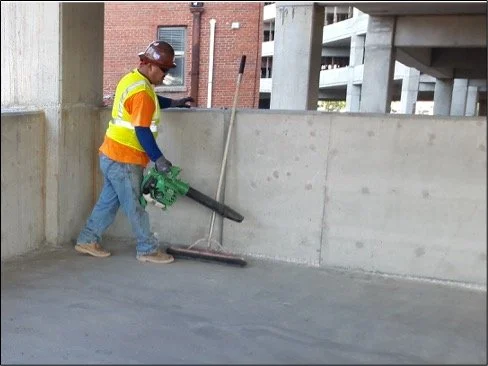
Job Prep
Clean & prep project surfaces to provide a proper surface for waterproofing.
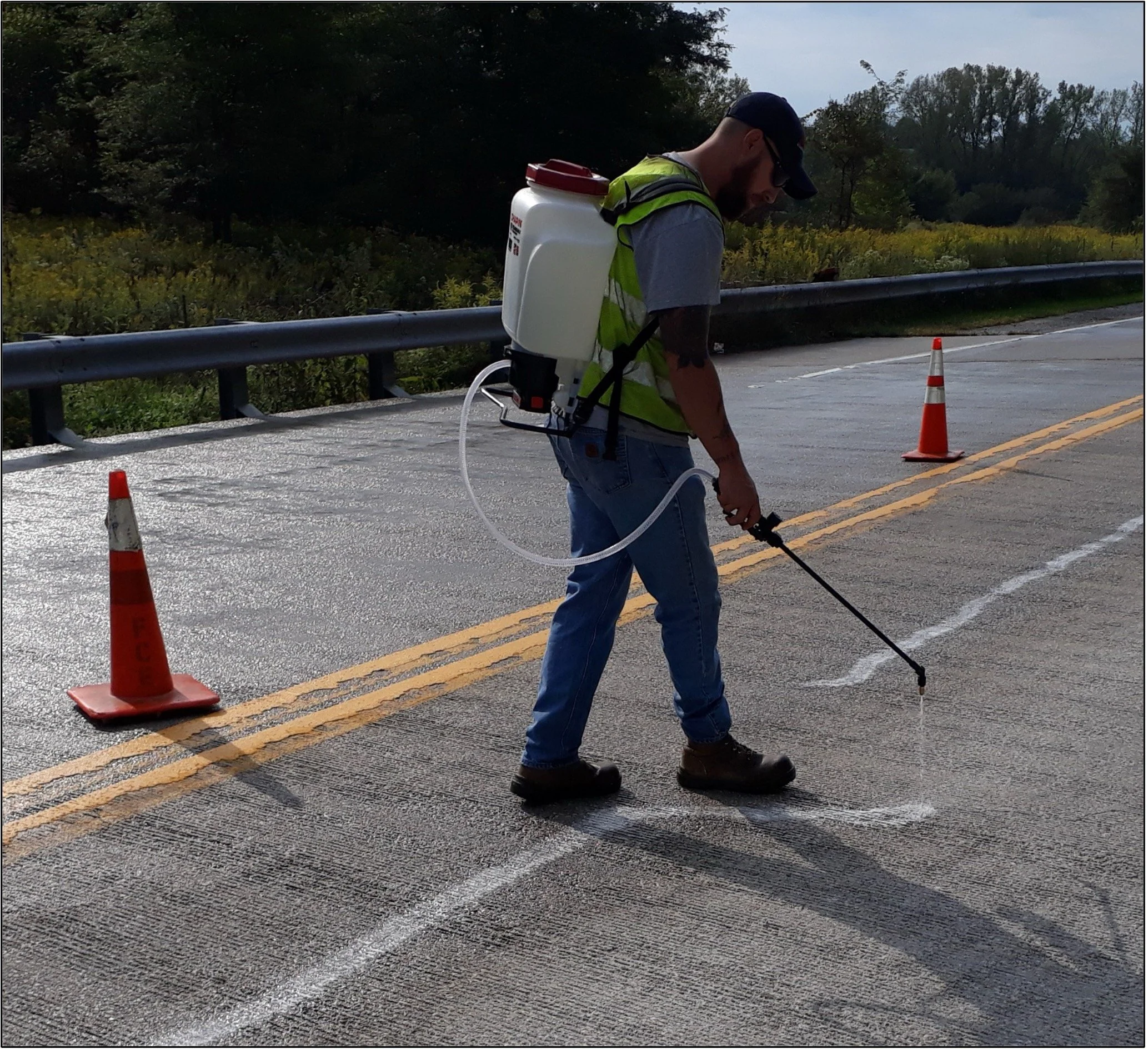
Step 2
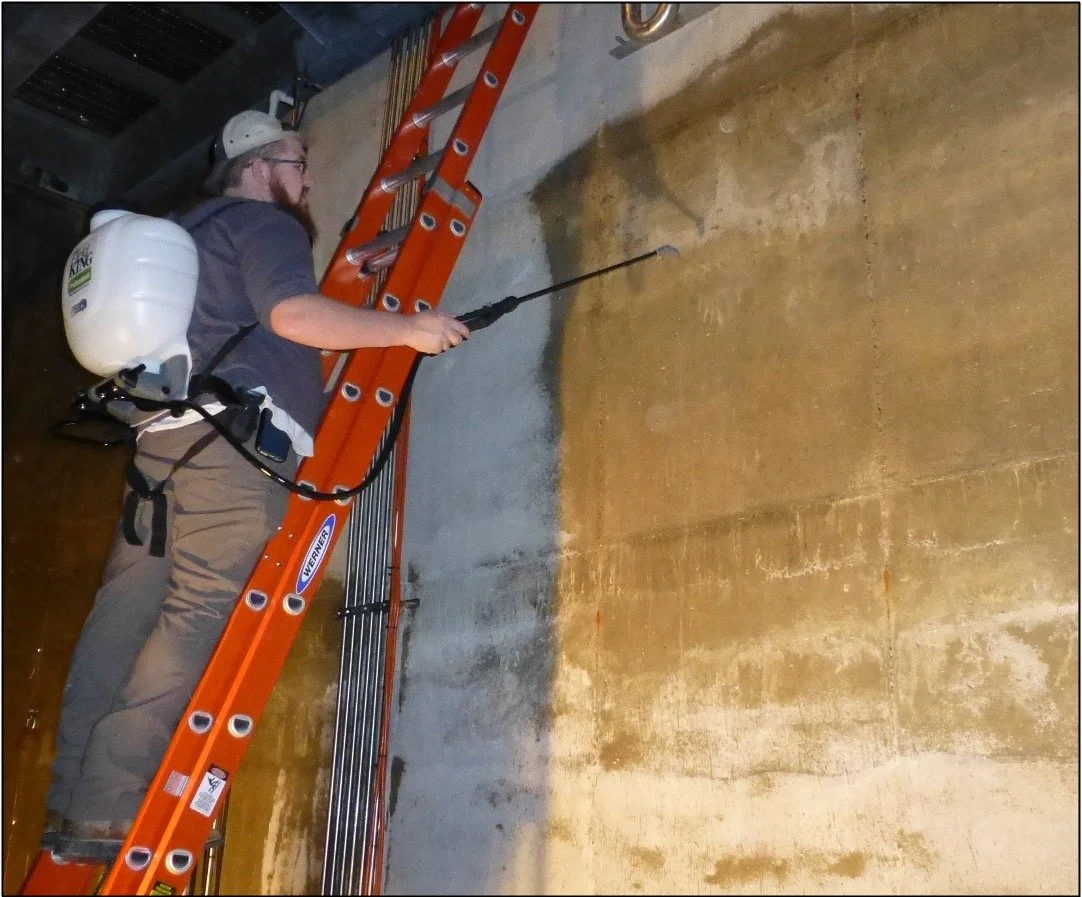
In many projects, a second water application is sufficient to promote the ETT reaction.
When accelerated crack sealing is required, apply ACRtec Crack Accelerating Agent to the cracks and ACRtec Surface Accelerating Agent to the entire area.
Step 1
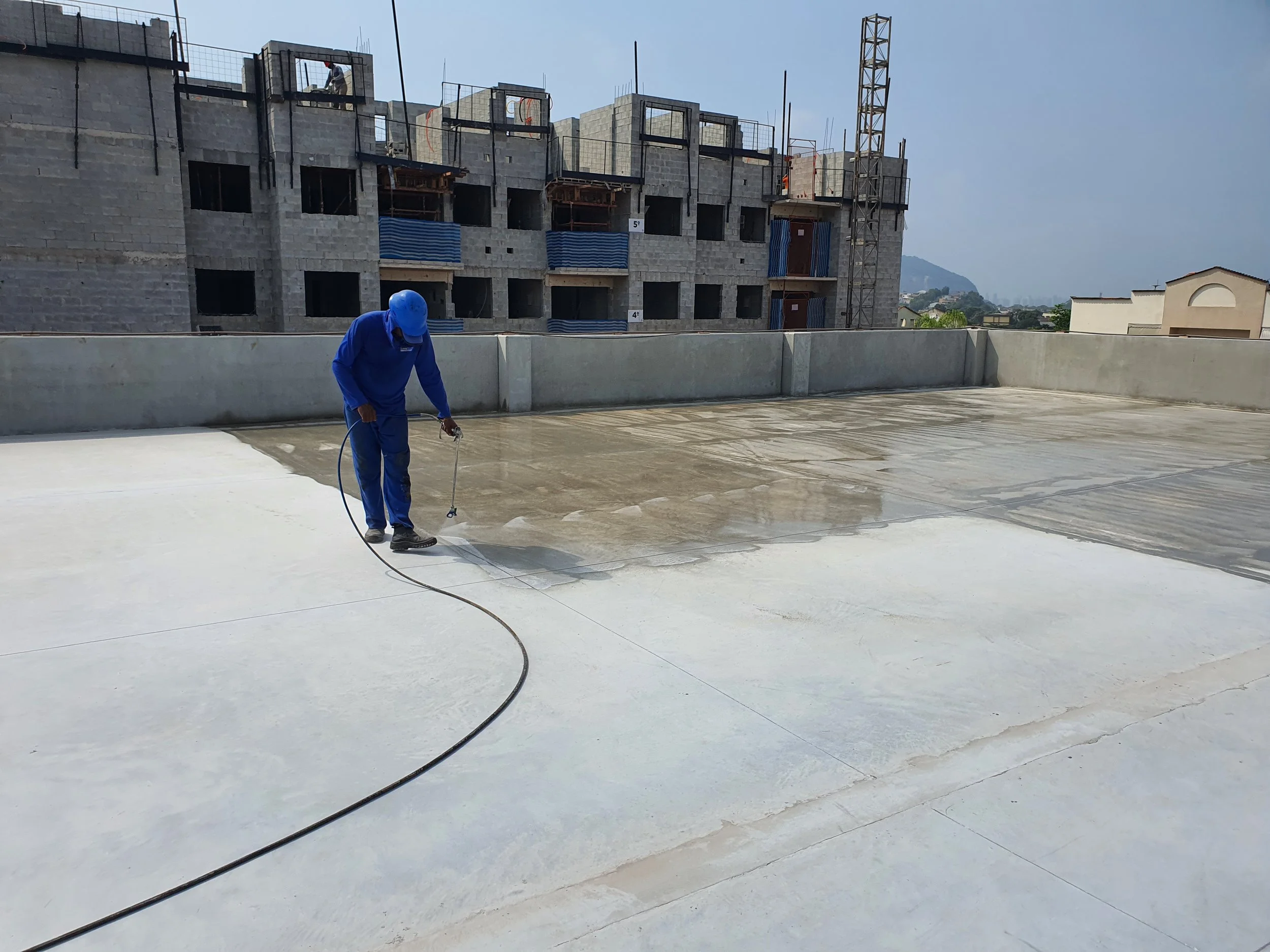
Apply ETT and allow it to become dry to the touch (avg. 1-3 hours), then water the surface.
The first watering must take place within 6 hours of waterproofing application.
Step 3
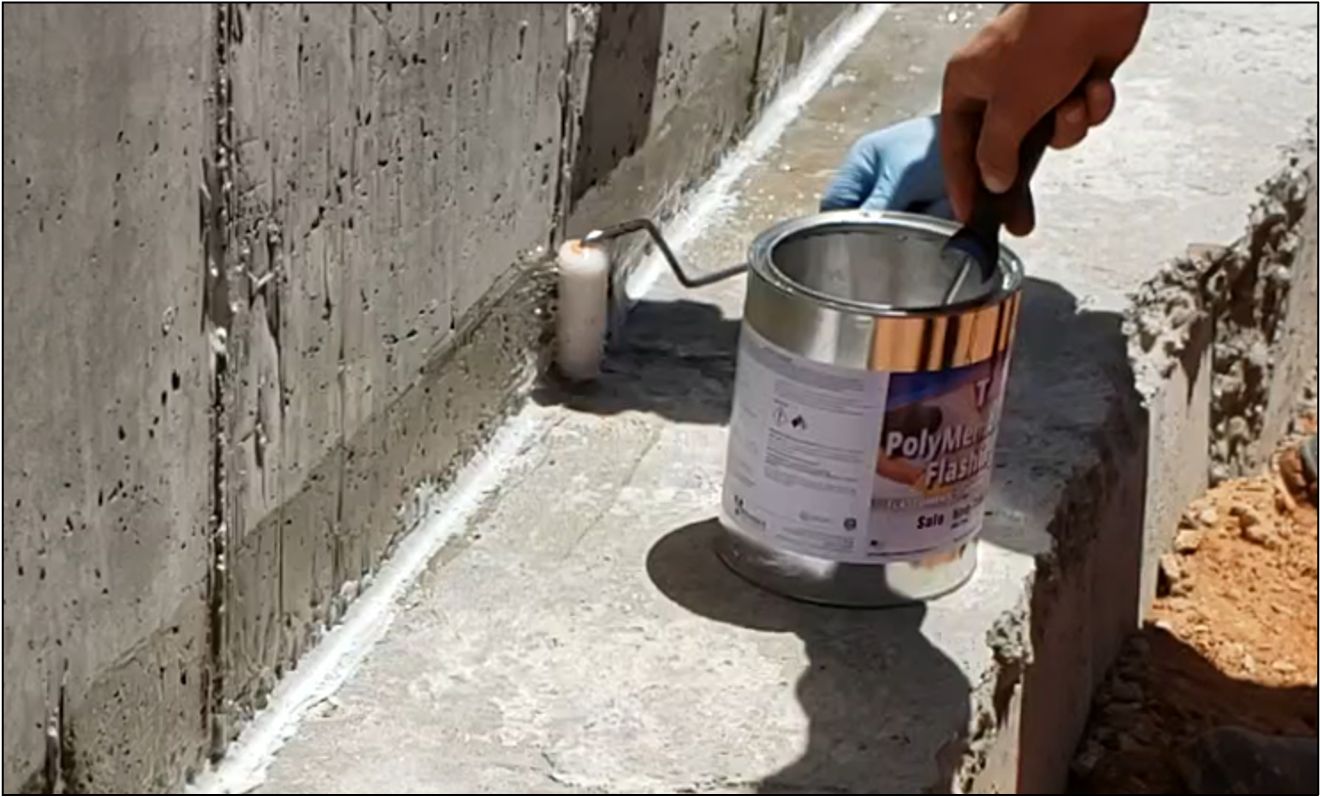
Perform any required flashing work at angle changes and penetrations through the concrete slab.
Refer to the ETT Application Guide for detailed instructions.
Frequently Asked Questions
-
Proper coverage is achieved by ensuring that the concrete is fully saturated without pooling or puddling on the surface. Standard application rate is 200 square feet per gallon. If areas are absorbing more material and drying up quickly as you are applying, they should be gone over again. It’s important to map out the area in sections to ensure 200 square feet per gallon is achieved.
-
If it rains before the surface becomes touch-dry, then reapplication may be required. If it rains after the surface has become touch dry, it is dependent upon the amount of rain. Water is beneficial to the reaction, but too much water runs the risk of oversaturating the concrete and washing ETT away before it begins to react. A small rain shower or slow, steady rain typically does not affect performance.
-
The surface should be dry to the touch and capable of absorbing the material. A good test is to put a little water on the surface. If it beads up and sits on top, ETT won’t be able to get in. If water gets in, ETT does as well.
-
ETT can be applied as early as 14 days after pour, although we recommend waiting at least 28 days. In the first 28 days, most of the shrinkage and settling cracks will take shape and allow for better treatment of ETT.
-
ETT has no shelf life.
-
Yes. Water misting is essential to the gel-forming reaction. Without water misting after, the ETT runs risk of drying out before the reaction begins.
-
No. The surface must be free of coatings, sealers, contaminants, and anything else that may limit/block absorption of the material.
-
Storage of ETT products should be out of direct sunlight, and away from excessive heat or cold temperatures. If left in direct sunlight on a hot day, you will essentially ‘cook’ the enzymes within the product. The same idea applies to freezing. It is a water-based product. Utilize sheets or tarps during transportation and on-site use if shade is unavailable when ambient temperatures are high.
Real-World Results
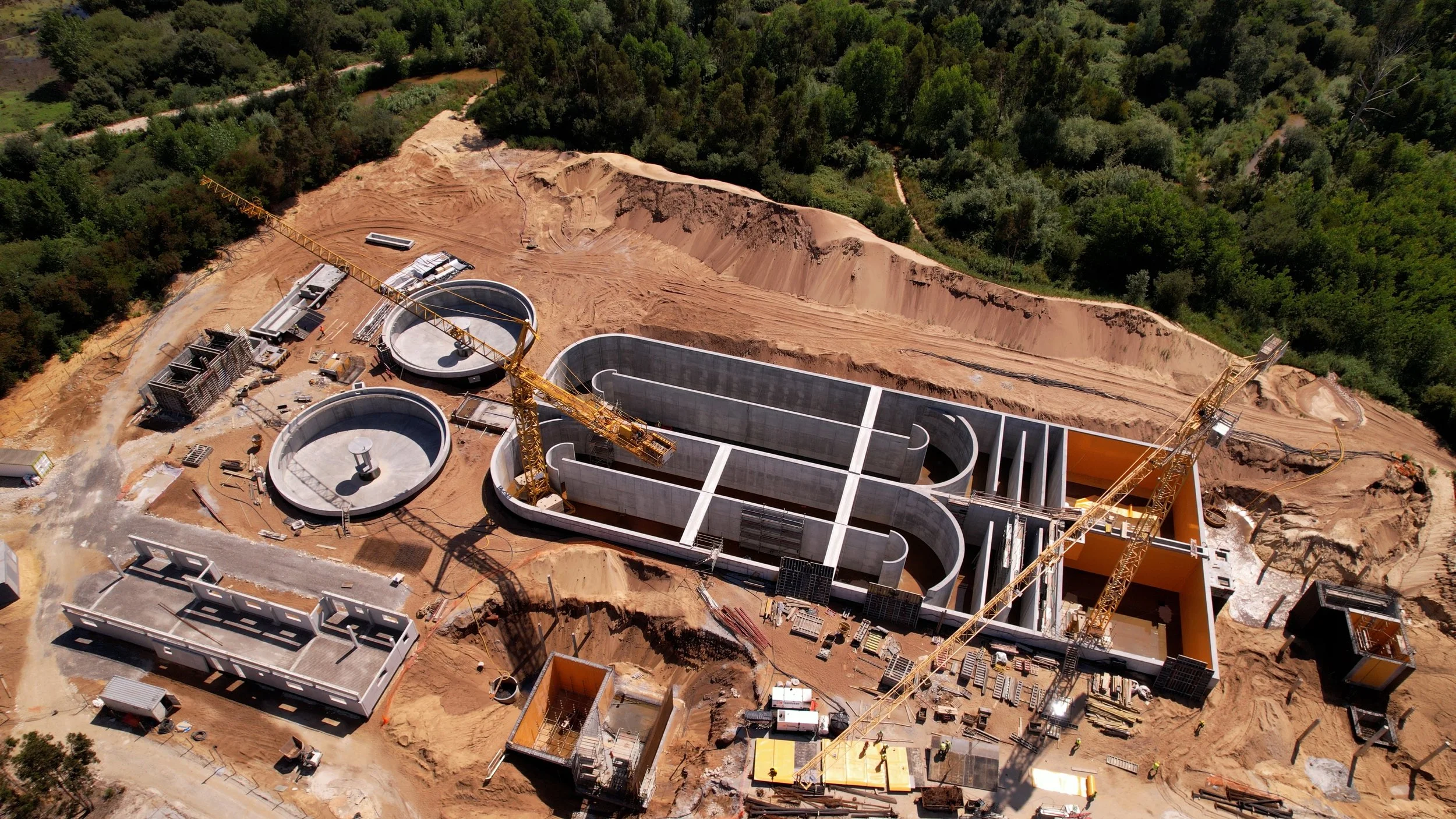
Waste Water Treatment Plant
Location: Cantanhede, Portugal
Application Date: 2024
Project Type: Waste Water Tank
Coverage Area: 110,000 sq ft

One Equine
Location: Selangor, Malaysia
Application Date: 2020-2022
Project Type: Residenctial-Rooftops-Pools
Planters-New Constructions
Coverage Area: 150,000 sq ft

Arboretum Plaza
Location: Austin, TX, USA
Application Date: 2023
Project Type: Parking Structure
Coverage Area: 60,000 sq ft
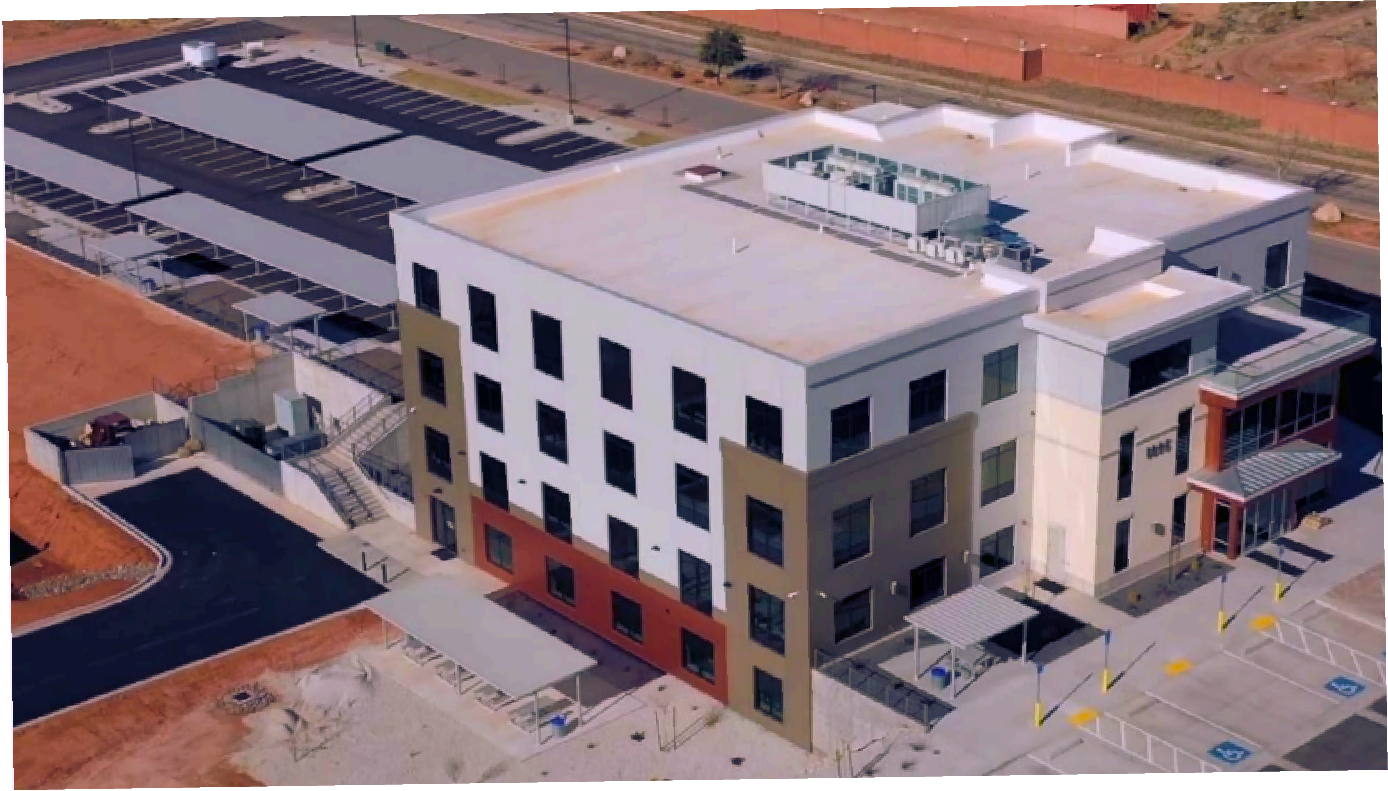
PRMI Building
Location: Centennial Park, AZ, USA
Application Date: 2019
Project Type: Vertical-Below Grading-Planters Balconies-New Constructions
Coverage Area: 10,000 sq ft
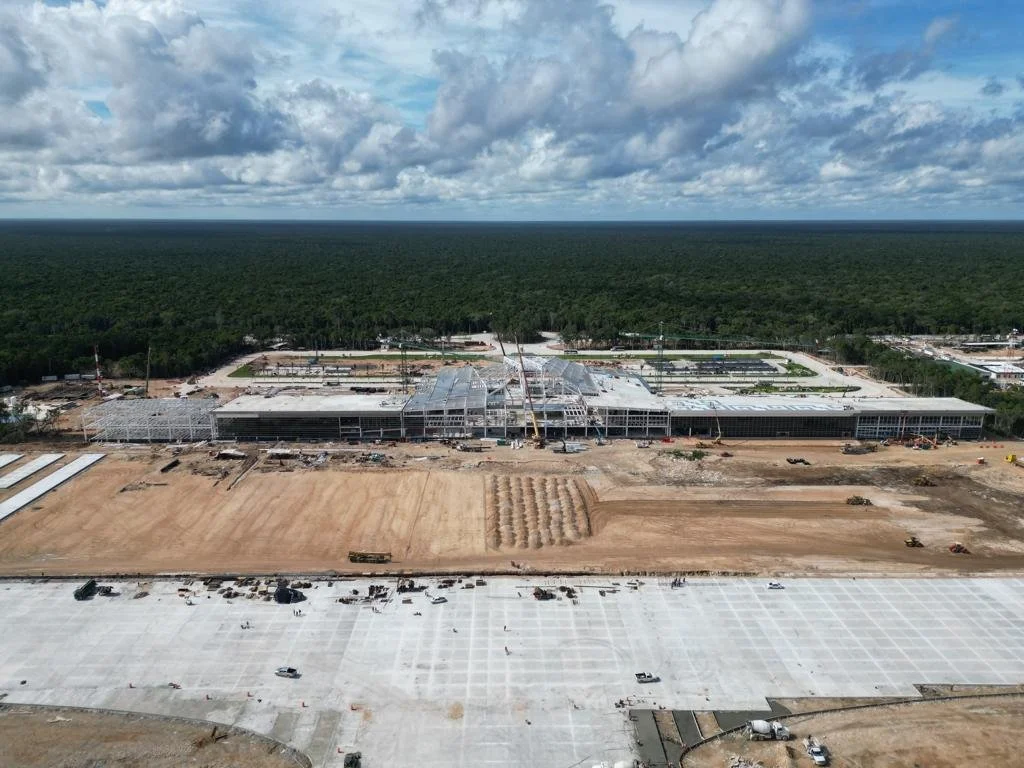
Tulum International Airport
Location: Tulum, Mexico
Application Date: 2023
Project Type: New Terminal
Coverage Area: 236,800 sq ft
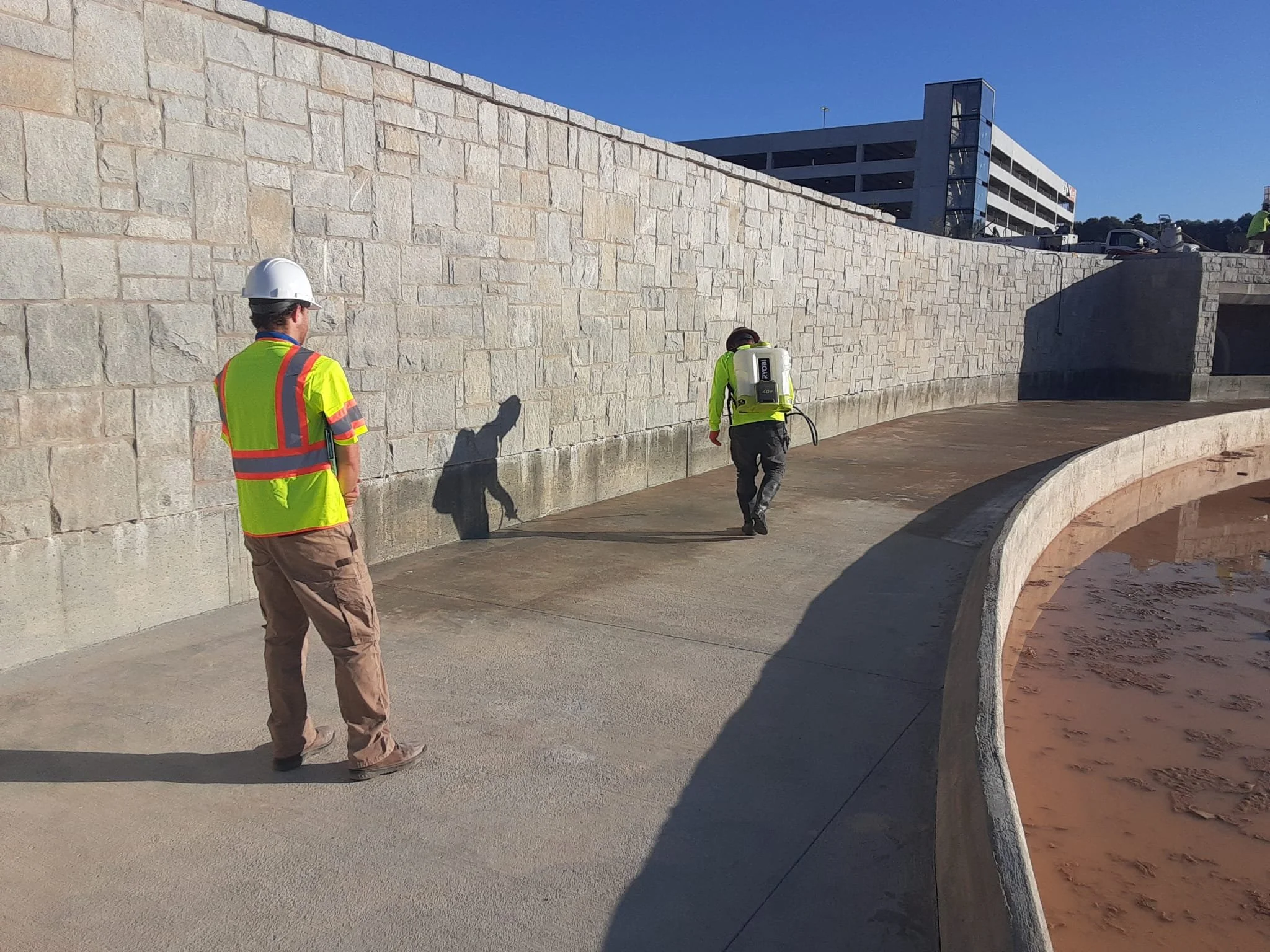
Assembly Yards
Location: Atlanta, GA, USA
Application Date: 2023
Project Type: Fountains-Storm Water Holding
Coverage Area: 45,000 sq ft